

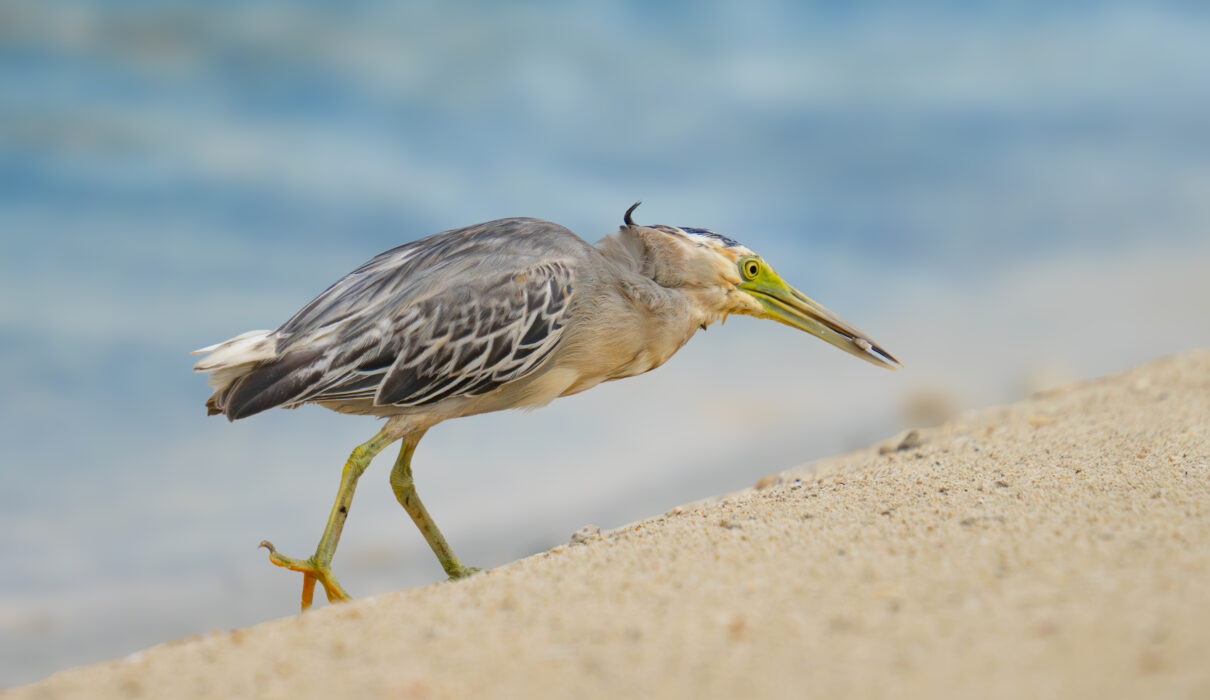
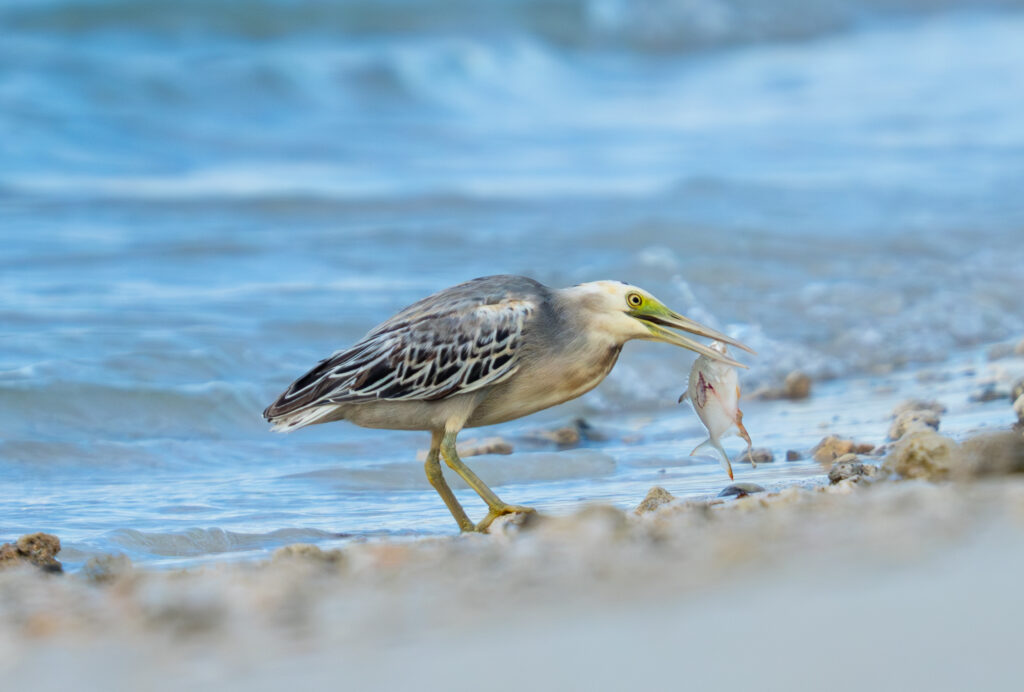
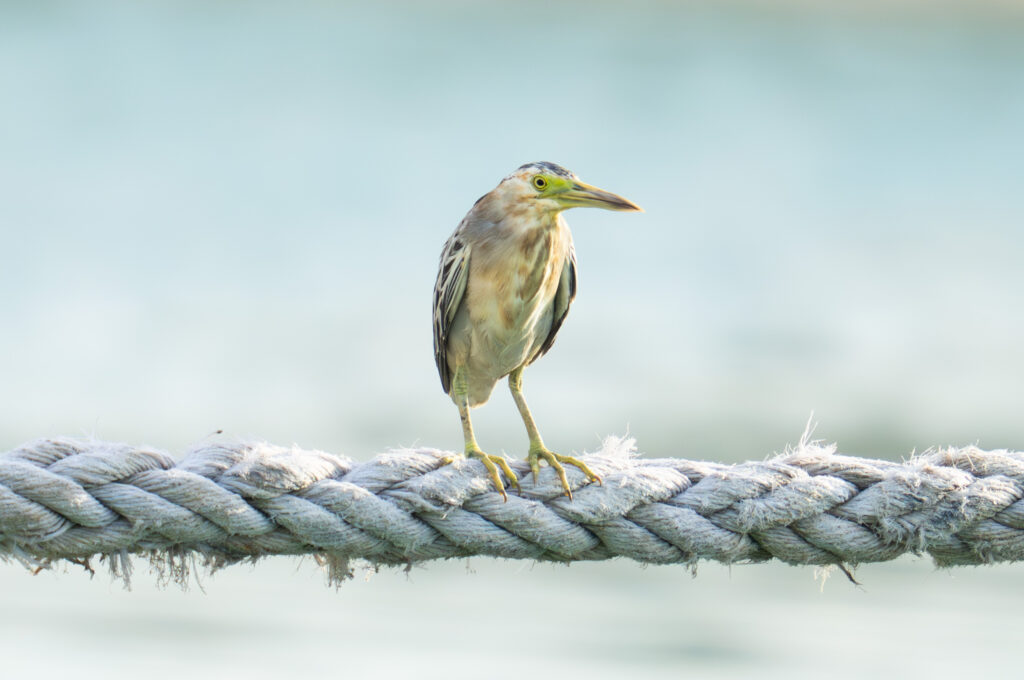
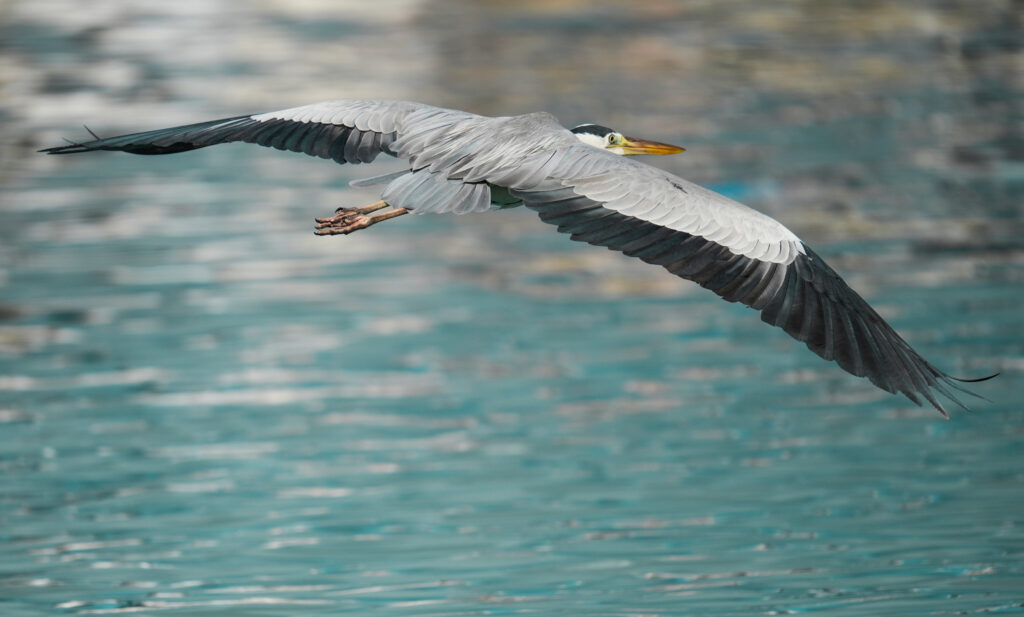
Note: The images used in this article are cropped images from the Sony A7R V. Some are cropped heavily, around 100%, 300%, or even more. Even after strong cropping, the details are still very clear, including feather texture, eye detail, beak detail, claws, and small water droplets. This shows the real advantage of the A7R V’s high-resolution 61MP sensor for wildlife photography, especially when birds are far away or difficult to approach.
The Sony A7R VI has now been released, and many photographers will naturally start comparing it with the Sony A7R V. But after using the Sony A7R V with the Sigma 150–600mm Sports lens, I still believe the A7R V is a fantastic wildlife camera. It is not only a high-megapixel camera for landscape, studio, or slow subjects. From my real experience, it is also a very capable camera for birds, wildlife movement, and detailed nature photography.
Before this, I used the Sony A7R II. That camera also gave me some beautiful wildlife images. I even captured difficult subjects like flying dragonflies with it. But when I moved to the A7R V, the difference was very clear. The autofocus is much more advanced, faster, and easier to trust. With the A7R II, I had to work harder and depend more on timing. With the A7R V, the camera helps me much more, especially when the subject is moving.
The A7R V has a 61MP full-frame sensor, and that is one of the biggest reasons I like this camera for wildlife. High resolution is very important for my type of photography. In wildlife, especially in the Maldives, birds are not always close. Some birds are shy, some stay far away, and sometimes I cannot move closer without disturbing them. With 61MP, I can crop the image and still keep strong details. This gives me more freedom when editing and composing the final image.
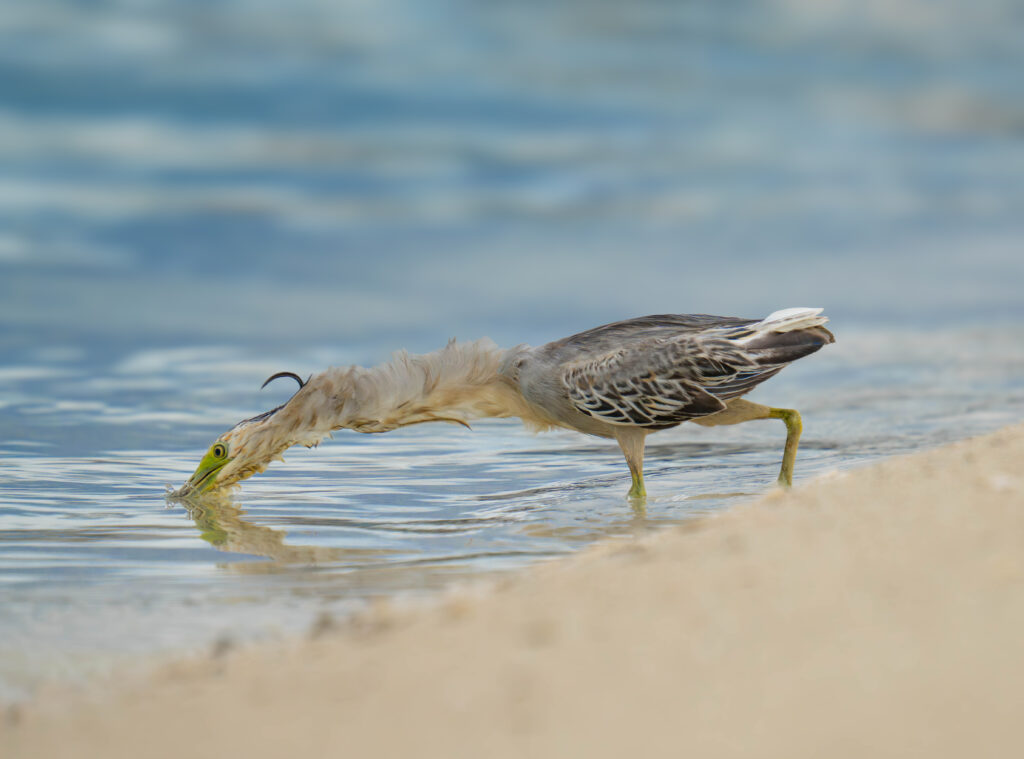
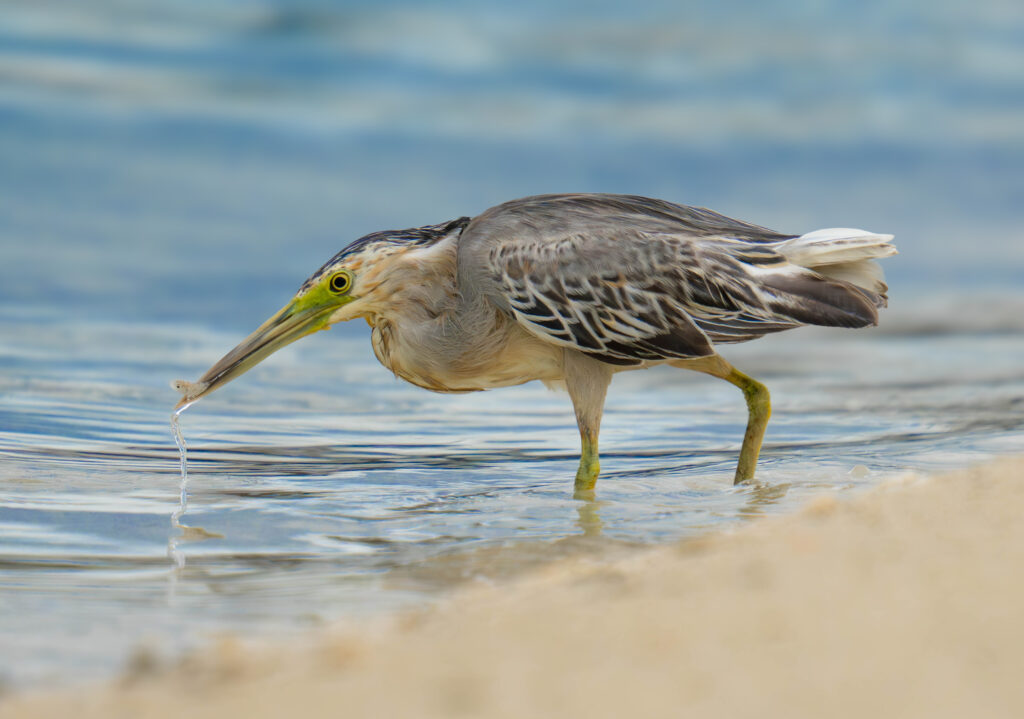
The details from this camera are beautiful. In my bird images, I can see fine feather texture, eye detail, leg texture, claws, wing patterns, and even small water droplets. These details are very important for wildlife photography. I am not only trying to capture a beautiful picture; I also want to document biodiversity, behavior, and natural details. For that kind of work, the A7R V gives me very strong files.
Some people say that if you need high pixels, you should choose the A7R series, but if you need speed, you should go for the A1 or A9 series. I understand that idea, but I do not fully agree when people say the A7R V is not enough for action. From my experience, the A7R V can handle daily wildlife photography very well. It can capture flying birds, landing birds, walking birds, feeding behavior, wing movements, and sudden movements. The photographer must concentrate, follow the subject properly, and keep the camera ready, but if you do that, the A7R V can capture very strong action images.
I do not feel that I am losing important shots because of the camera. The autofocus is fast, subject tracking is strong, and the 10fps continuous shooting is enough for many real wildlife situations. Yes, some cameras are faster on paper, but real wildlife photography is not only about frame rate. Timing, focus, patience, and understanding animal behavior are also very important. With the A7R V, I can capture sharp, detailed, beautiful wildlife images even when birds are moving.
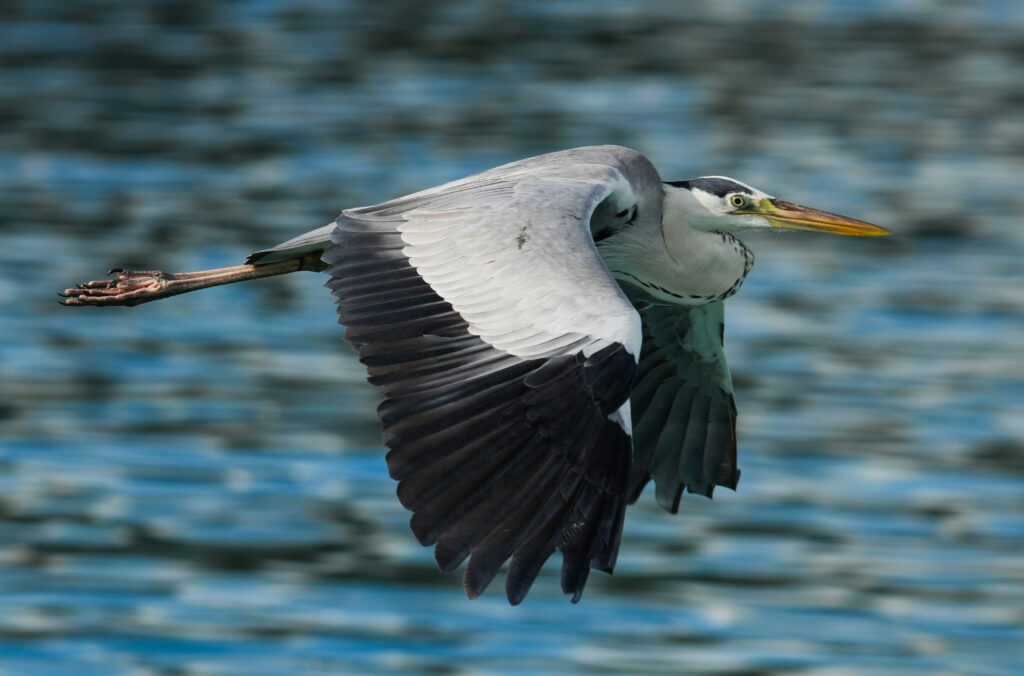
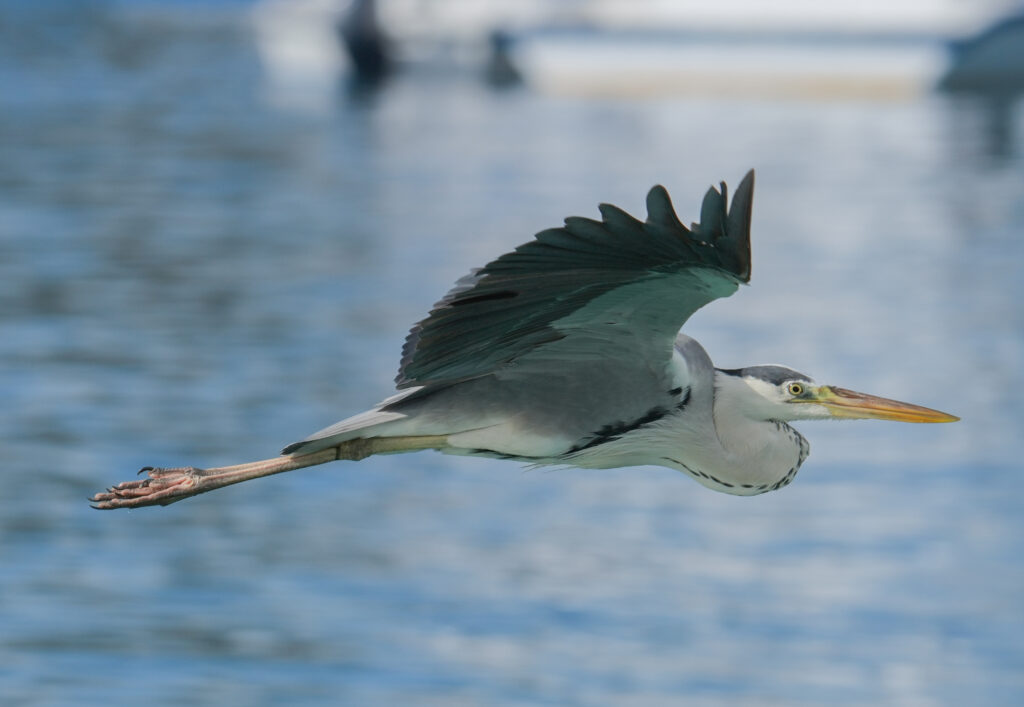
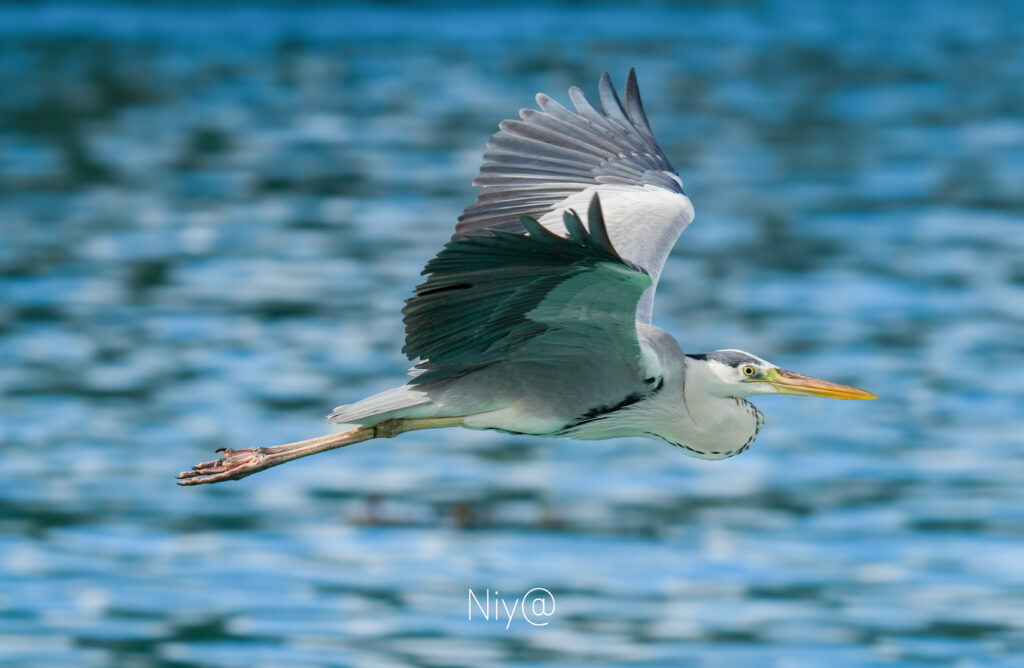
This is very important for me because I do not see hundreds of birds every day. Sometimes I may go out and see only a few birds. Last week, I saw only three birds, but I still captured these beautiful shots. That is my main point. When bird sightings are limited, I cannot afford to miss the moment. If I had more birds around me, I believe I could capture even more beautiful images. But even with only a few chances, the A7R V helped me keep focus, track movement, and capture the important moments.
In places where there are many birds, photographers get many repeated chances. They can wait, try again, and capture more action. But in my situation, sometimes one bird lands, drinks water, opens its wings, walks for a few seconds, and then leaves. That may be the only chance for the day. In that situation, the camera must be reliable. With the A7R V, I feel confident because I can react quickly and trust the autofocus.
The images I captured show this clearly. Some of the birds were not completely still. They were drinking, walking, stretching, turning, and moving near the water. One image shows beautiful wing movement, another shows the bird lowering its head into the water, and another shows small details around the beak and face. These are moments that can easily be missed if the camera loses focus. But the A7R V handled them very well.
The Sigma 150–600mm Sports lens also works very well with this camera. It gives me the reach I need for birds and wildlife. With the A7R V’s high-resolution sensor, even when the subject is not very close, I can still crop and get a usable image. This is a big advantage for wildlife photographers who cannot always buy very expensive prime lenses. A camera like the A7R V with a long zoom lens can still produce excellent results if used carefully.
For bird photography, autofocus confidence is very important. When a bird suddenly moves, drinks, stretches its wings, or turns its head, I need the camera to respond quickly. The A7R V gives me that confidence. It makes wildlife photography less stressful. Instead of fighting with the camera, I can focus more on the moment, the light, the background, and the behavior of the bird.
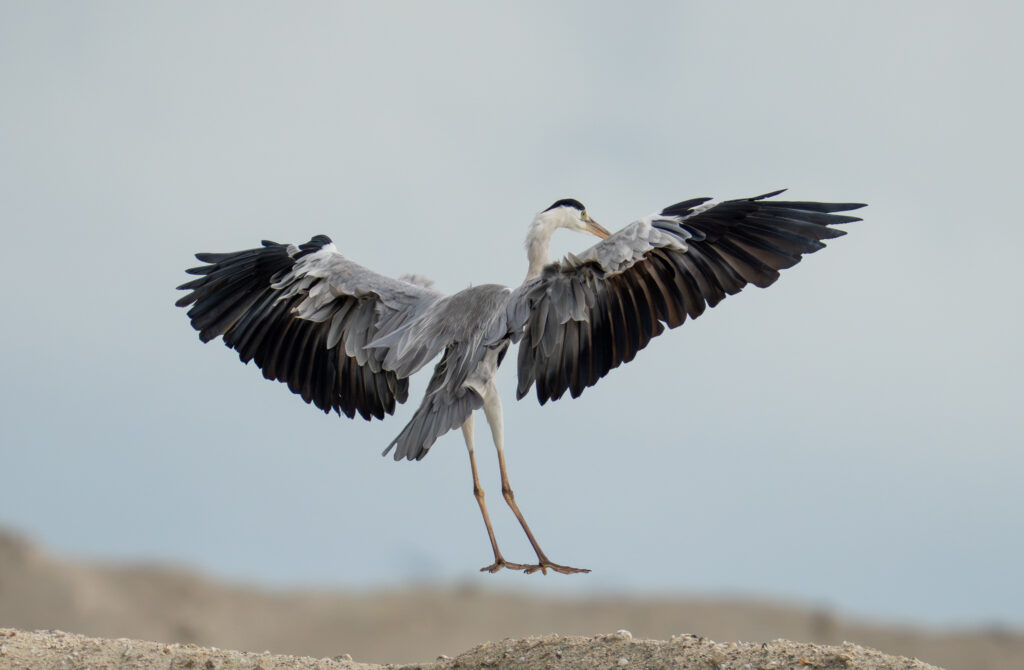
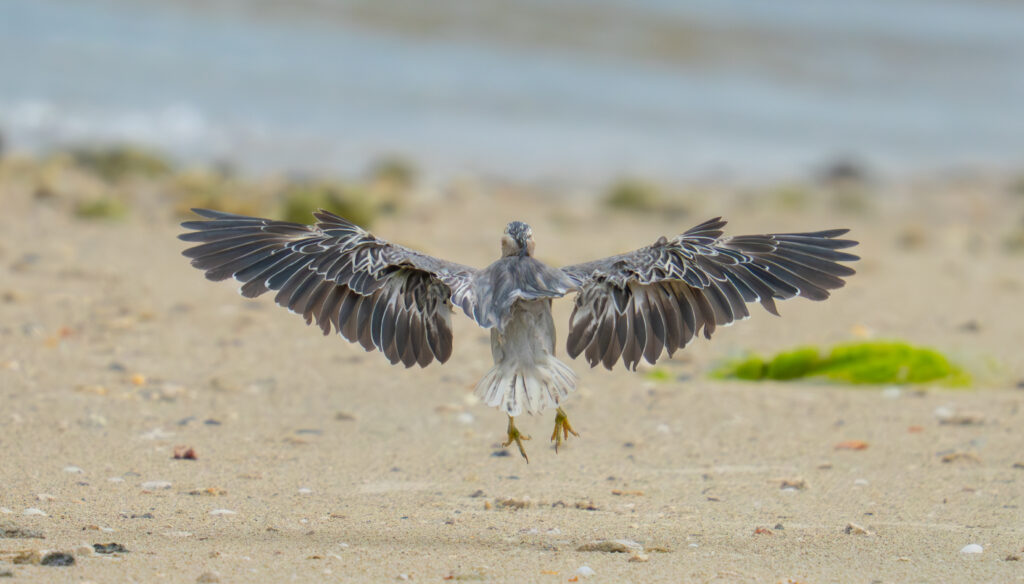
Another thing I like is the flexibility of the files. The RAW files from the A7R V are very strong. They allow good editing, cropping, and detail recovery. For nature photography, this is useful because outdoor light changes quickly. Sometimes the bird is in strong sunlight, sometimes near reflective water, and sometimes in shadow. The A7R V files give me enough room to adjust the image and still keep quality.
The A7R V also helps me create images that are useful for both art and documentation. For my biodiversity work, I need images that show species clearly. Fine details matter. The head, beak, feathers, legs, behavior, and environment all tell a story. A high-resolution camera helps preserve those details. This is why I believe the A7R V is not just a camera for beautiful photos; it is also a powerful tool for serious nature documentation.
Of course, every camera has limits, and the photographer must understand how to use it properly. But I do not see the A7R V as a weak camera for wildlife. I see it as a strong balance between high detail, autofocus, cropping power, and real-world speed. For my use, it gives me exactly what I need. It is advanced, reliable, and capable of producing professional-quality wildlife images.
The most important thing is that the camera gives me confidence. When I see a bird, I do not feel worried that the camera will fail me. I can lift the camera, track the subject, and capture the moment. Even with very few birds around, I was able to make strong images. That proves to me that the A7R V is a serious wildlife camera.
Even now, with the newer A7R VI released, I still believe the A7R V is fantastic. A new camera does not suddenly make the previous model weak. The A7R V is still a very powerful camera with excellent image quality and advanced autofocus. For photographers who want high resolution and strong wildlife performance, it is still a very good choice.
My conclusion is simple: the Sony A7R V is not only a high-megapixel camera. It is also a very capable wildlife camera. With good concentration, timing, patience, and the right lens, it can capture birds in movement, beautiful action, and very fine details. I saw only a few birds, but I did not lose the important shots. If I had more bird opportunities, I believe I could capture even more beautiful images with this camera.
For my wildlife photography, especially with the Sigma 150–600mm Sports lens, the Sony A7R V gives me the detail, focus, and confidence I need. It is a camera I can trust in the field, and for me, that is what matters most.

